
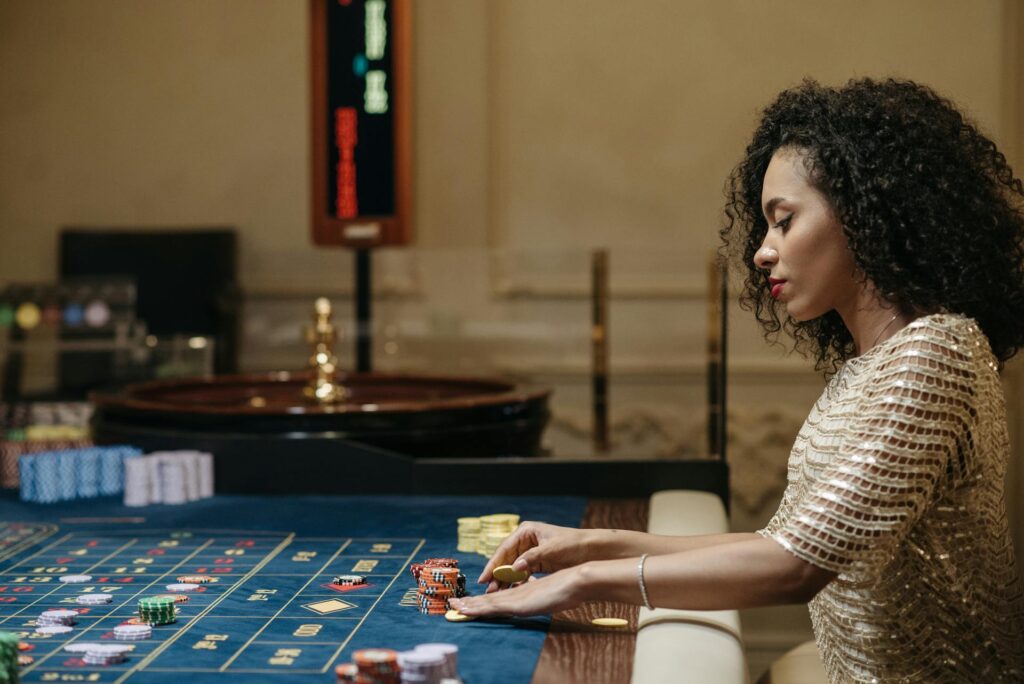
Imagine a world with no money—no coins, no credit cards, no digital wallets. Now imagine humans in that world. Would we stop gambling? Probably not. Betting, risking, and testing luck are behaviors that run far deeper than economics. Long before money existed, people wagered favors, food, status, and pride. Gambling isn’t a financial invention; it’s a human one. At its core, it’s about uncertainty, excitement, and the thrill of not knowing what comes next.
Risk Is Baked Into Human Nature
From an evolutionary standpoint, humans have always taken risks. Hunting larger prey, migrating into unknown territories, or trusting new alliances all came with uncertainty. Gambling taps into that same mental wiring. Even today, when people place bets using modern platforms like apple pay bookmakers, the appeal isn’t just the potential payout—it’s the emotional spike that comes from putting something on the line and waiting to see how fate responds.
We Crave Uncertainty More Than Comfort
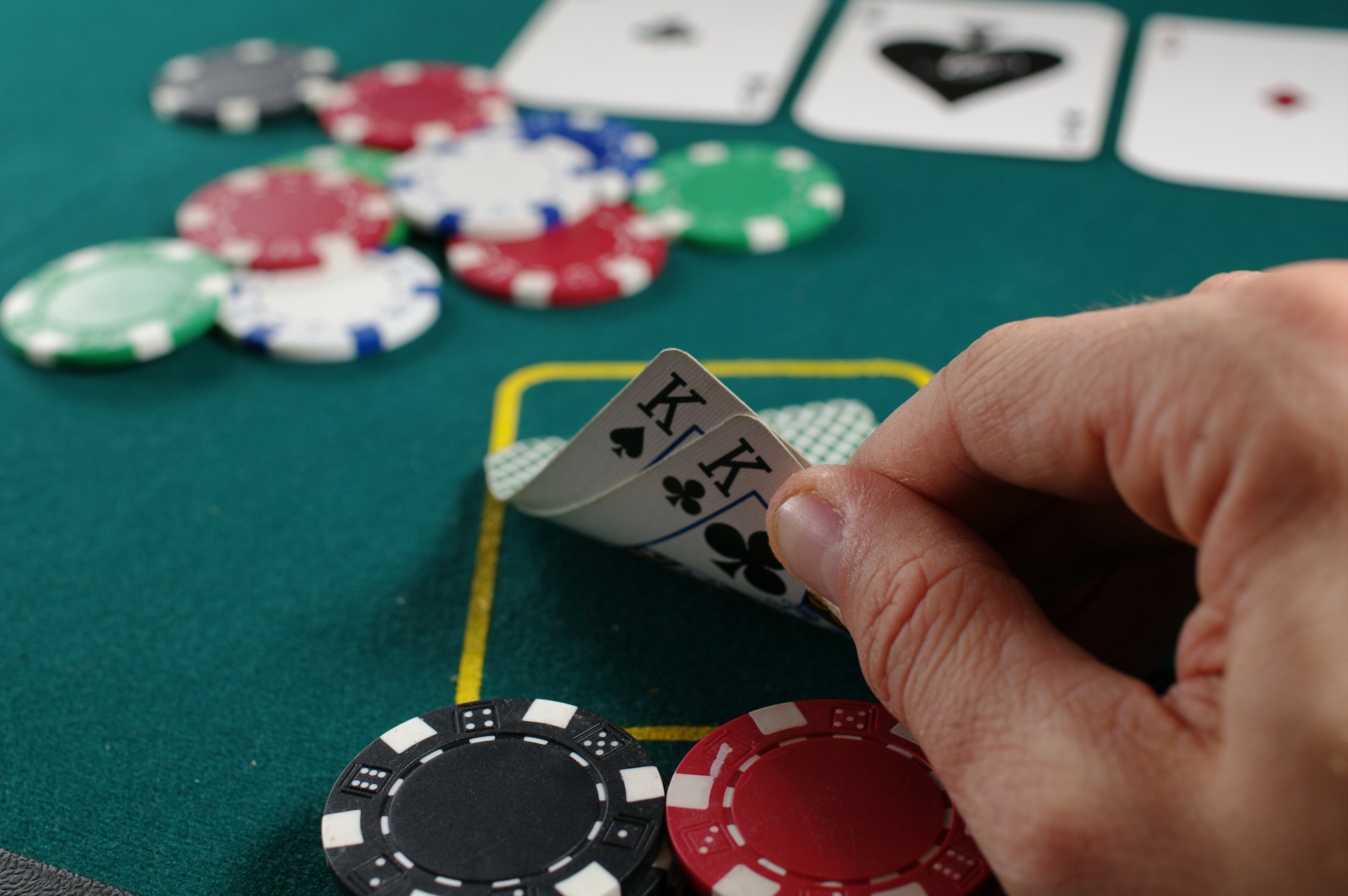
As much as people say they want stability, our actions suggest otherwise. Complete predictability is boring. Gambling introduces controlled chaos, a moment where outcomes aren’t guaranteed but still feel manageable. That balance between control and randomness is deeply satisfying. Without money, people would still gamble with dares, time, social favors, or reputation, because uncertainty itself is the reward.
Competition and Status Matter
Gambling has always been tied to competition. Winning a bet signals intelligence, bravery, or luck—traits that raise social standing. In many early societies, wagers were about honor rather than wealth. Who could throw farther, endure more pain, or predict outcomes better? Even without money, humans would still gamble because winning feels like proof of worth, and losing still teaches lessons about risk and restraint.
The Brain Loves the Near Miss
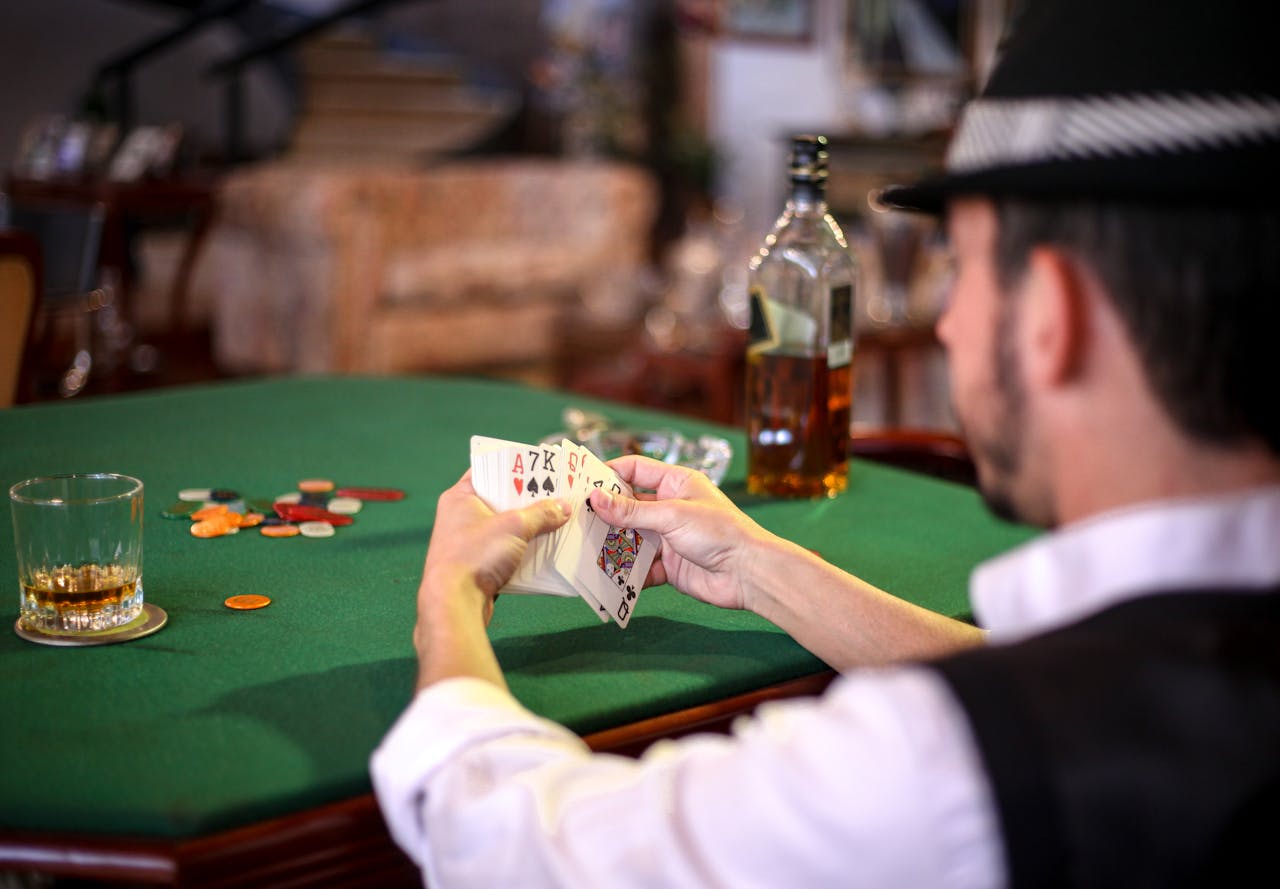
Neuroscience shows that the brain reacts strongly not just to winning, but to almost winning. That near-miss feeling floods the brain with dopamine, encouraging people to try again. This mechanism doesn’t care what the reward is. Whether it’s money, food, or bragging rights, the brain lights up the same way. Gambling survives without currency because the neurological loop stays intact.
Stories, Rituals, and Shared Experience
Gambling is rarely just a solo act. It’s social. People gather, tell stories, argue over odds, and relive wins and losses. These rituals strengthen bonds and create shared memories. Even without money, humans would still gather to bet on outcomes because it gives structure to storytelling and meaning to chance events.
Money may have refined gambling, but it didn’t create it. The desire to risk something, to test luck, and to feel that rush of uncertainty is deeply human. Take money away, and people will still gamble with time, pride, favors, or promises. As long as uncertainty exists—and as long as humans remain curious, competitive, and emotional—gambling in some form will always be part of who we are.…